
15 Oct What the Palisades Fire Taught Us in Design and Architecture
In January 2025, the Palisades Fire tore through Pacific Palisades, Topanga, and surrounding areas. Homes vanished, communities were plunged into loss, and 12 lives were lost. Amid the destruction, a few homes stood strong — not by luck, but because they were built or retrofitted with fire resilience in mind. This disaster forces us to confront a new reality: in fire-prone regions, we must rebuild better.
This post explores how to build sustainably, durably, and fire-resilient — so when the next wildfire comes, your home stands a stronger chance.
Lessons from the Fire
- Some homes survived while many were lost — because of material choices, detailing, and proactive planning
- Fires are changing — fuel loads, wind, ember storms, and shifting climate are amplifying the threat
- Weak details can betray strong design — gaps, vents, combustible trim, or unsealed transitions often become failure points
These lessons compel us to think beyond aesthetics — toward resilience embedded into every layer.
Principles of Fire-Resilient & Sustainable Design
1. Harden the perimeter
- Clear combustible materials close to the home (0–5 ft zone)
- Use noncombustible hardscaping (gravel, concrete, stone) near walls
- Keep roofs, gutters, and drains clear of leaves and debris
- Practice firewise landscaping: prune, space plantings, avoid highly flammable species
2. Fire-resistant building envelope
Walls & siding
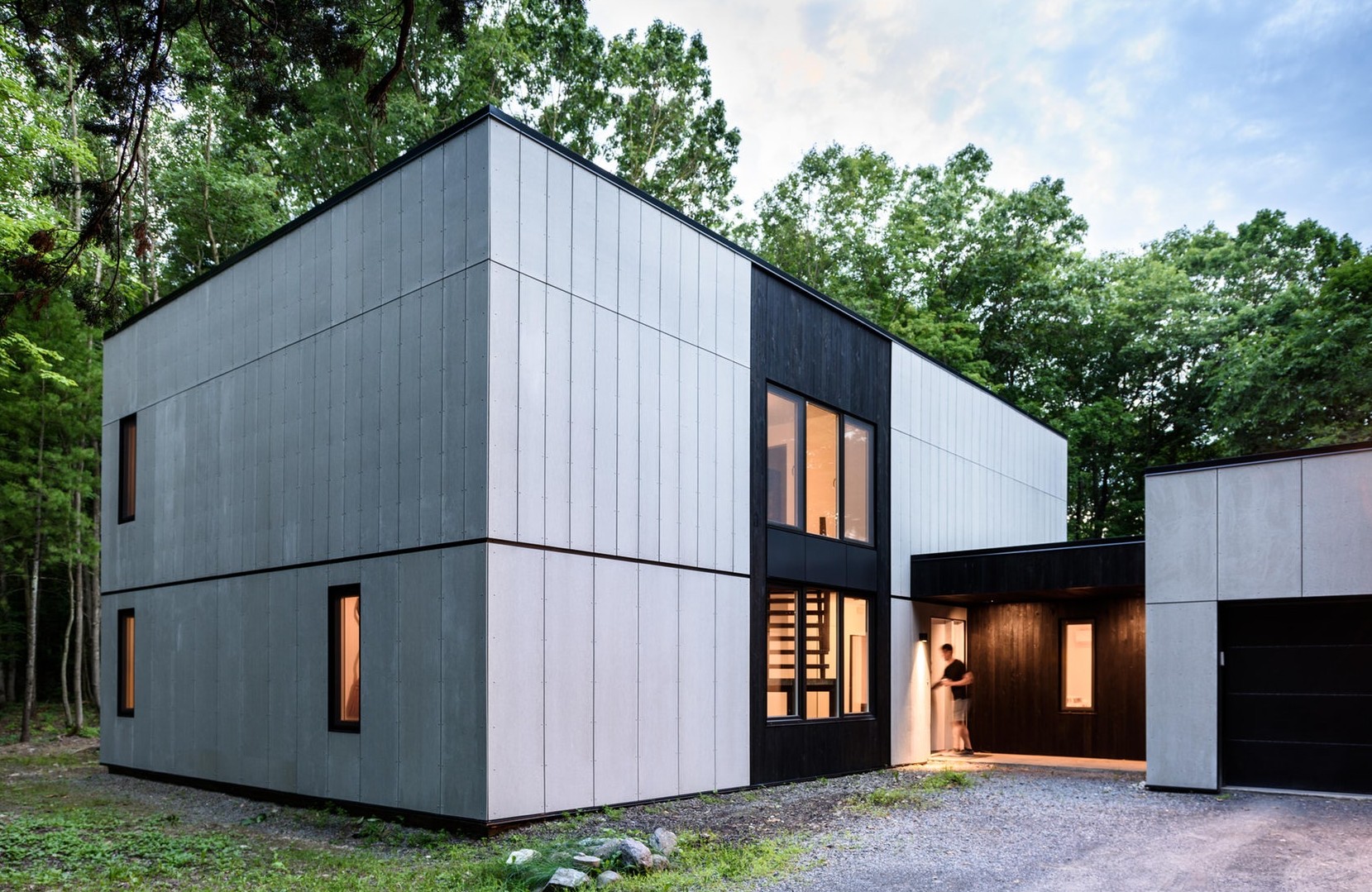
- Choose noncombustible siding like fiber cement, stucco, masonry, or brick
- Ensure continuous siding from foundation to roof, with no exposed gaps
Roofing & overhangs
- Use Class A fire-rated roofing materials: metal, concrete, clay tile, or approved composites
- Minimize exposed overhangs or open eaves where embers can catch
- Use fire-resistant underlayment
Windows, doors & penetrations
- Install double- or triple-pane tempered or insulated glass
- Use fire-rated doors and metal frames
- Protect vents with ember-resistant mesh
- Seal penetrations and joints with intumescent or fire-rated sealants
Interior & insulation
- Use noncombustible or fire-treated insulation (e.g. mineral wool)
- Include fire-rated drywall or multiple layers
- Design fire barriers and compartmentalization
- Build in redundancy — multiple protective layers
3. Detail with precision
- Seal all junctions, seams, and transitions
- Avoid hidden, ventilated voids that embers can penetrate
- Simplify building geometry to reduce ember traps
- Monitor quality during construction — poor installation nullifies good materials
- Plan for maintenance: resealing, gutter cleaning, replacing damaged parts
4. Layer on active and adaptive systems
- Include interior and exterior sprinklers or wetting systems
- Implement sensors or monitoring systems for heat or fire detection
- Use vents that shut under high heat
- Consider fire retardant or protective coatings
- Integrate systems with smart home or automation for resilience
5. Combine fire resilience with sustainability
- Use locally sourced materials to reduce carbon footprint
- Prioritize long-lasting materials — rebuilding is far more wasteful than protecting
- Reuse salvaged masonry or stone where safe
- Integrate energy efficiency: insulation, solar orientation, passive heating/cooling
- Avoid toxic fire additives; choose nonfuming, low-toxicity fire-resistant materials
- Use prefabricated systems where possible for precise detailing and less waste
What Rebuilds in the Palisades Could Look Like
- On sloped lots, use tiered defensible zones and avoid ridge line exposure
- Orient buildings and clusters to minimize exposure to prevailing winds and fire paths
- Adopt or exceed fire-safe codes and build with chapter-level fire standards
- Coordinate community orders for specialty fire-resistant materials to overcome supply constraints
- Train contractors and permitting agencies in fire-resilient techniques
A number of homes that survived did so with fiber cement siding, Class A roofing, multi-pane glazing, and a proactive defensible design. That kind of integrated approach becomes the new benchmark.
Challenges & What to Watch For
- Fire-resistant materials and systems can be more expensive or less available
- Many contractors and inspectors lack experience with advanced fire design
- Regulatory frameworks and insurance requirements may lag behind best practices
- Designs must adapt over time — no single solution works forever
Still, the cost of not designing for resilience is far higher — in lives, loss, and rebuilding.
Final Thoughts
The Palisades Fire was devastating — but amidst the destruction, it revealed a path forward. Homes that survived did so because fire resilience was baked into their design, not applied later as an afterthought.
If you’re rebuilding or retrofitting, this is your moment to think bigger: not just how to rebuild, but how to endure. Design your home to resist embers, flames, and heat — sustainably, beautifully, with redundancy and intelligence built in.

No Comments